
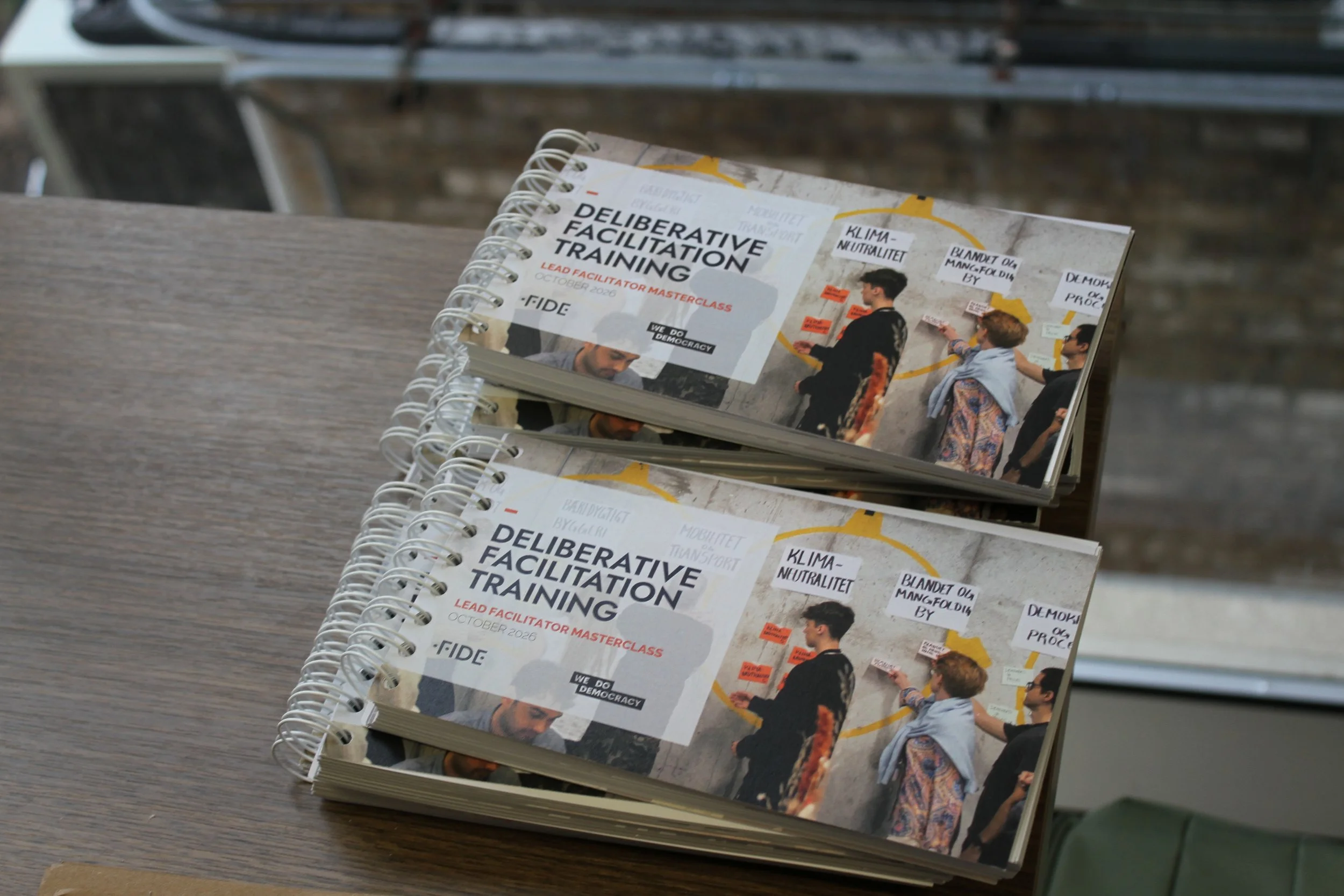
A look at our Lead Deliberative Facilitator Masterclasses.
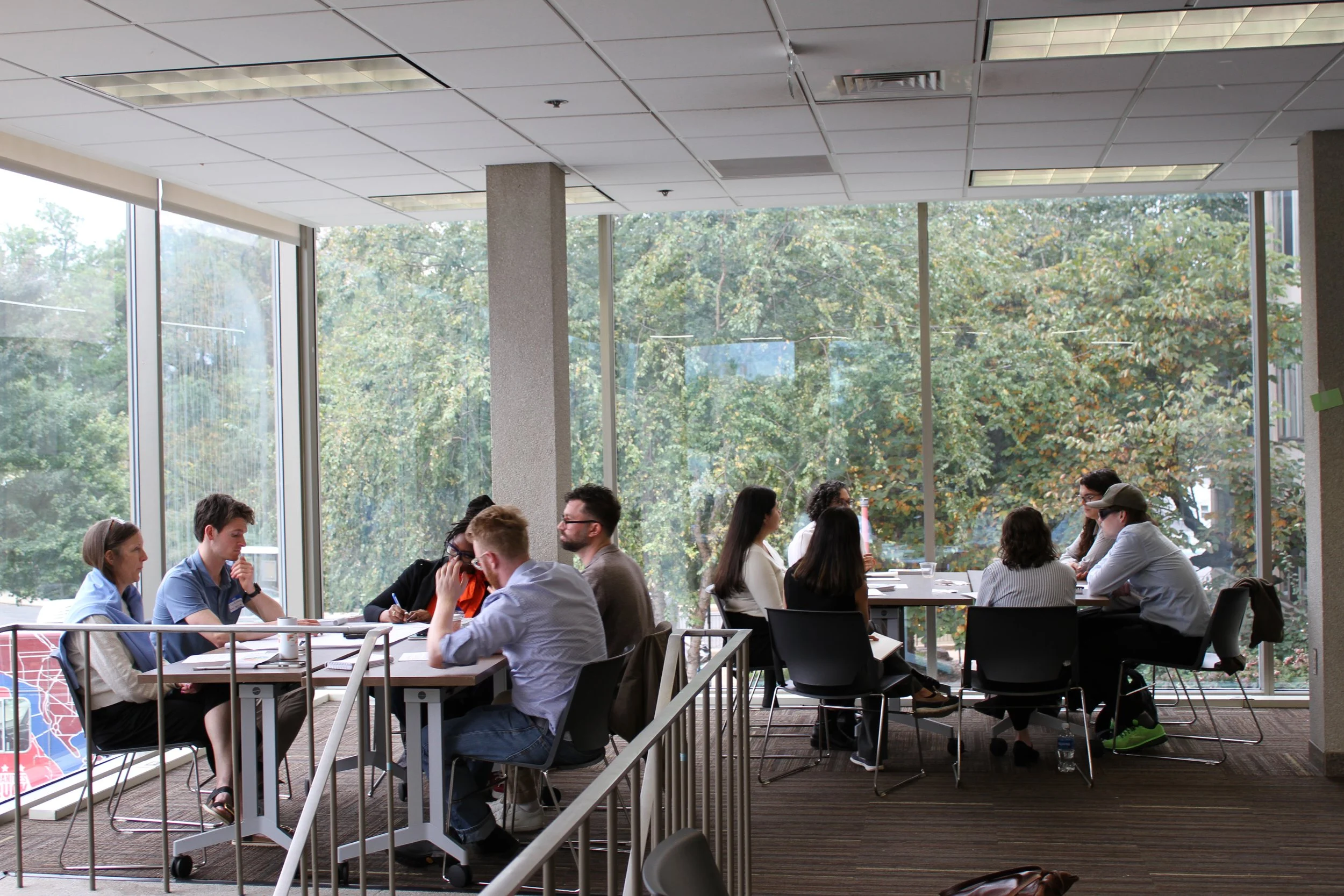
Citizens’ Assemblies are a trend sweeping North America, popping up in communities everywhere this past year from Lexington, KY to Cambridge, MA. They are being touted by elected officials, civic leaders, and residents alike as a way to put the public back into public policy. But the design and institutionalization of assemblies is a work in progress, and while much attention has been given to how assembly members are selected and the questions they address, the people in the room responsible for making the deliberation work require just as much consideration.
An assembly is about more than just bringing a representative group of people into a room. It is about creating the conditions in which people with different experiences, perspectives and opinions can learn together, listen to one another, and navigate disagreement to develop lasting policy solutions. In order to reach their full potential, Citizens’ Assemblies must invest in skilled facilitation with a deep understanding of the process.
It is this belief that lead us to partner with We Do Democracy and the AI Democracy Foundation to bring together 80 practitioners for two Lead Facilitation Masterclasses in Washington, DC, and San Francisco in October. These three-day intensive workshops aimed to strengthen the practical skills and knowledge needed to design and facilitate high-quality Citizens’ Assemblies, drawing on European experience while building capacity within the growing North American deliberative democracy community.
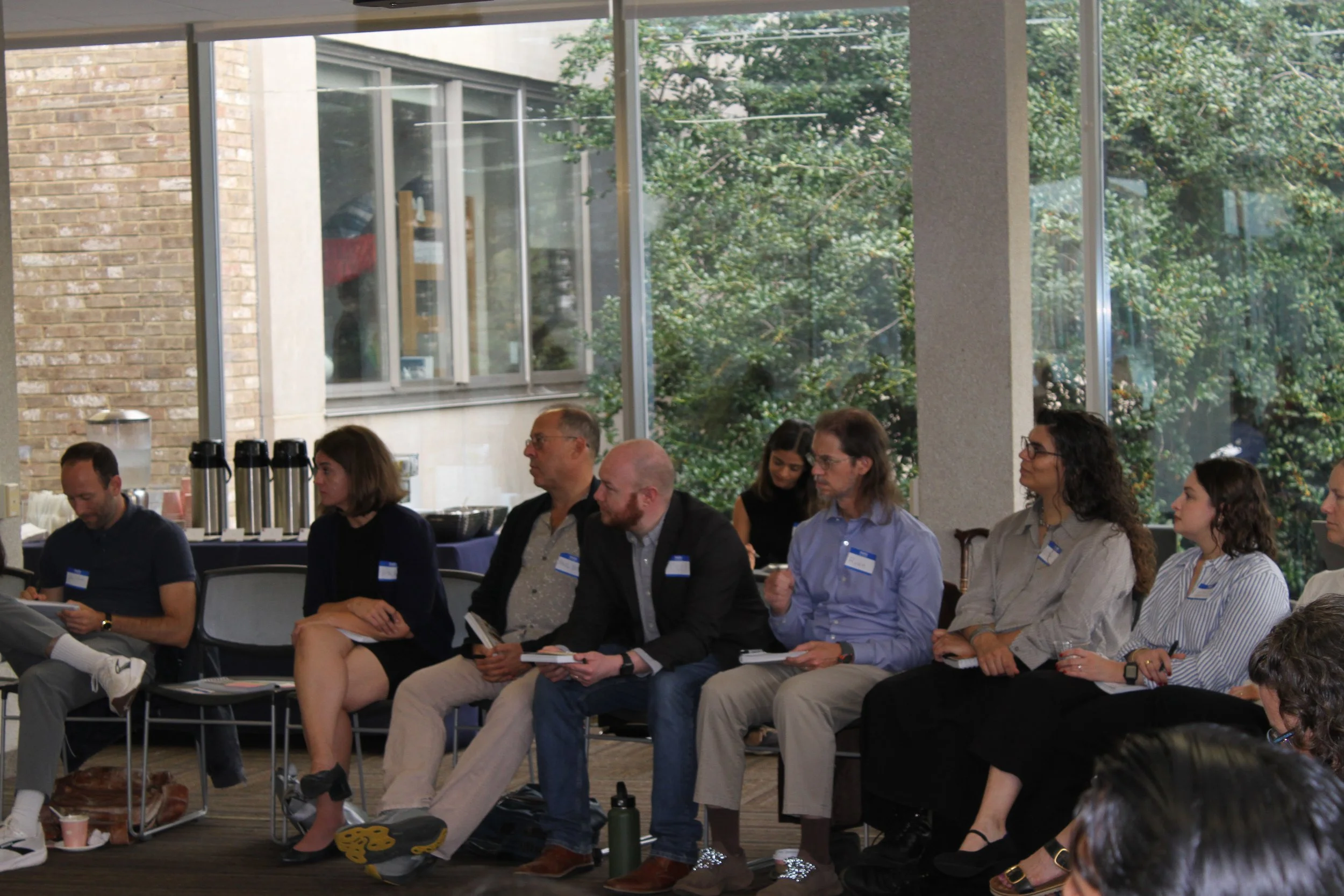
While the principles behind Citizens’ Assemblies are straightforward, putting those principles into practice is considerably more complicated.
Assembly members need support throughout a carefully structured process. They must have opportunities to engage with complex information, ask questions, challenge assumptions and contribute to discussions. In small-group conversations especially, facilitators play a critical role in ensuring every voice is heard and no individual dominates.
"The architecture of a Citizens' Assembly is different than any other deliberative process. Skilled and experienced facilitators are the heart and soul of an assembly but it is essential to have a deep understanding of the design components that create impactful assemblies.”
- Marjan Ehsassi, Executive Director of FIDE North America
Facilitators must understand the design of an assembly and how to support participants as they move from one stage to the next. Individual sessions fit into the wider process. The learning phase, deliberation, the emergence of collective judgement, development of proposals and final recommendations all need to be carefully choreographed. The credibility of an Assembly depends on the quality of the experiences just as much as the outcomes they deliver.
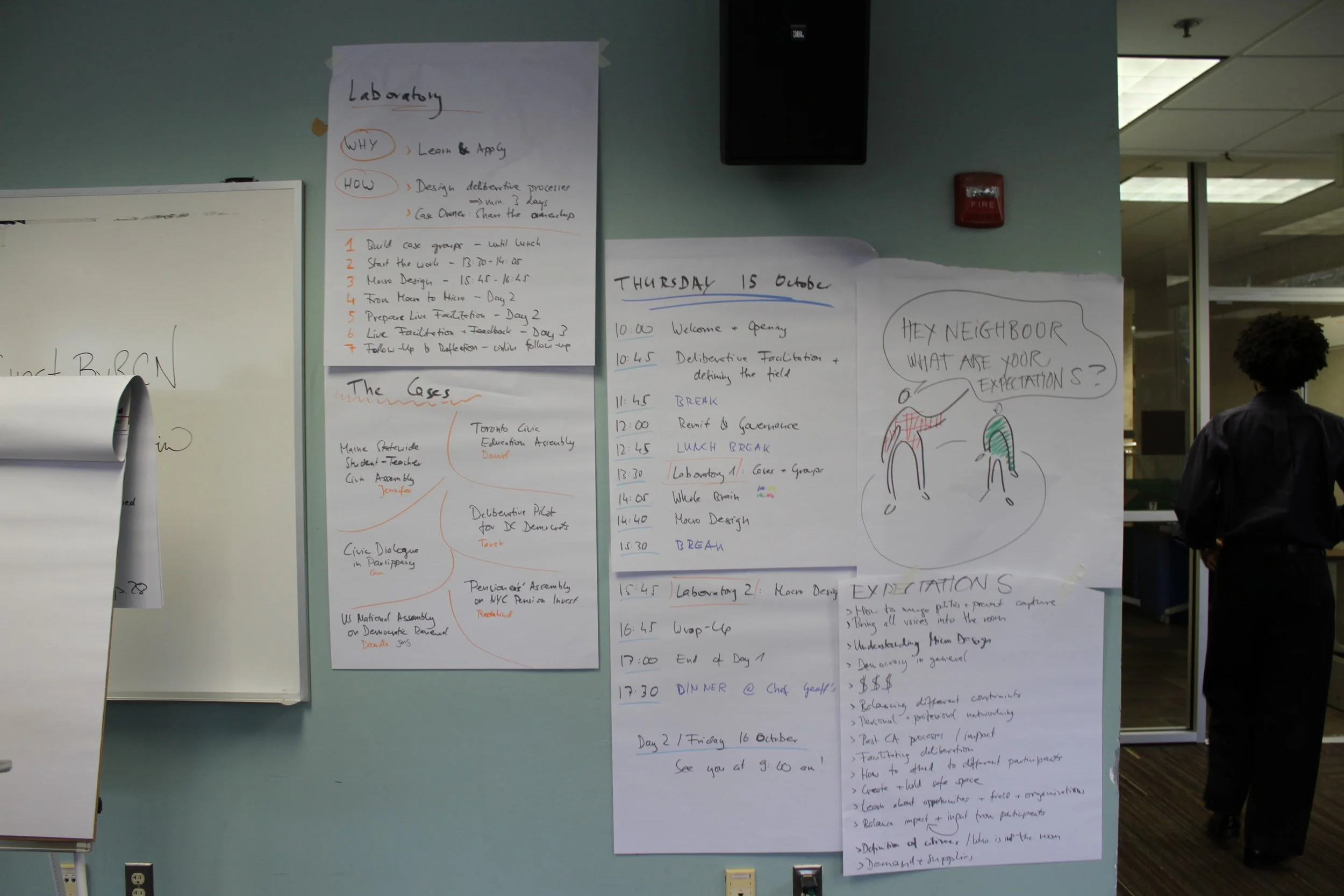
The Lead Facilitation Masterclasses were developed to address this need. They offered practitioners an opportunity to learn from experienced European facilitators and FIDE while developing practical skills they could take directly into their own work.
The training was led by Zakia Elvang and Jacob Birkenhäger, with contributions from Peter MacLeod, Johan Galster, Luke Thorburn, and our own Marjan Ehsassi and Cole Speidel.
“Today, we have plenty of experience from many different Citizens’ Assemblies across Germany, Denmark and Europe, and it was time to write down and train all the practical stuff behind the principles: how to develop a good remit step by step, what to watch out for, how does macro design work, how learning, and so on. The aim of the training never is to tell the only way to do it, because there is not only one way, but to deliver frameworks for every step in your CA process - from macro design to micro design to facilitating in the room - which can be applied in all kinds of contexts.”
-Jacob Birkenhäger, Deliberative facilitation advisor and trainer
The program was deliberately hands-on and analog. Rather than focusing exclusively on theory, participants worked through practical exercises - speaking in small groups, writing down ideas on notecards, and at times even standing up and moving to different parts of the room in a physical manifestation of the facilitation techniques and challenges that arise during an assembly. They discussed process design, learning journeys, group dynamics, mediation and decision-making. Participants were encouraged to consider not just what good facilitation looks like, but how to put it into practice.
Recommendations need to be clear, rational and actionable. Getting to that point requires facilitators who can help participants make the best use of their limited time. Many countries in Europe have developed substantial expertise through years of designing and implementing deliberative processes. There are lessons to be learned from their successes, as well as the challenges and mistakes encountered along the way.
“When a well-designed deliberative process has weak facilitation, it more than likely is going to have weak recommendations…This training is all about bringing international experience into a North American context. Our masterclass leaders come from Denmark and Germany, and they bring a wealth of experience to those who might be newer to implementation. We are building the pipeline of people who can then go on to design and run really high quality processes.”
-Cole Speidel, Senior Program Manager at FIDE North America
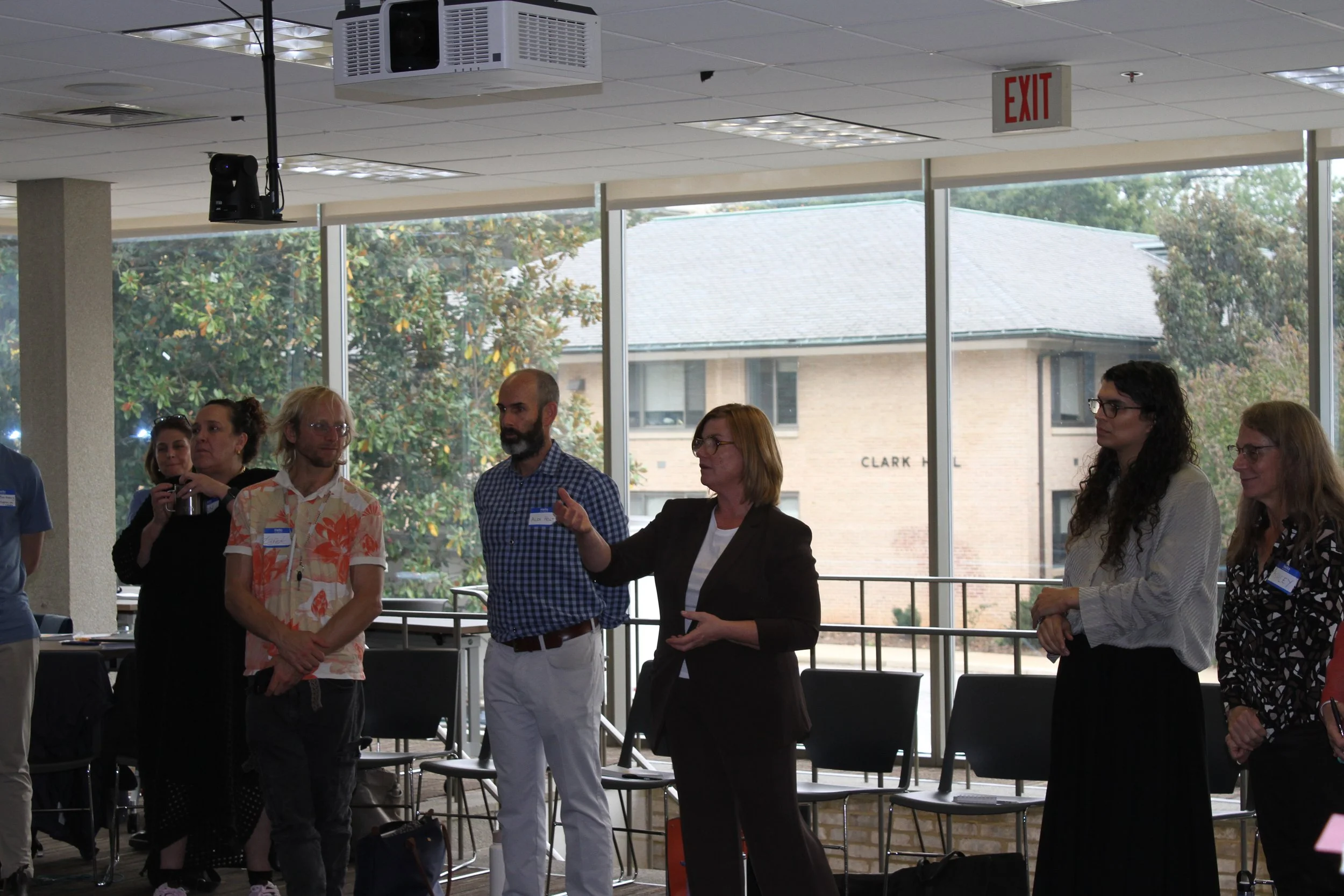
The Washington, DC, masterclass brought together 40 participants from more than 13 states, representing public institutions, civil society, political organizations and consulting firms. Across the two events, participants brought experience from different levels of government and areas of democratic practice.
For many, the opportunity to learn together across different contexts was as valuable as the formal instruction.
"The connections that I've made have already been super valuable, I’m sitting next to people who are running citizens assemblies at the municipal level, who I’ve already learned so much from.”
- Miles Brackenbury, Attendee from Ontario, Canada
As the field develops across North America, practitioners may work in different political and institutional environments, but many face similar questions about how to engage the public and translate meaningful deliberation into recommendations that decision-makers can use.
Renee Androckitis, who attended the Washington masterclass, had an immediate reason to participate. Working at the Committee of Seventy in Pennsylvania, she was able to connect the training directly to her organization's work towards a statewide approach to Citizens’ Assemblies.
"The chance to take part in something this intensive and innovative, and then put it to work right away for my organization and my community, was incredibly compelling.”
- Renee Androckitis, Attendee from Pennsylvania, USA
Masterclass attendees also felt the skills involved in facilitating deliberation would be valuable in even once their assemblies were finished.
"What surprised me most was how much of what I learned applies beyond citizens’ assemblies. The training gave me new ways to interpret information, to learn alongside others, and to deliberate respectfully across differences.”
- Renee Androckitis, Attendee from Pennsylvania, USA
Making sure facilitators receive proper training doesn’t just increase the legitimacy of an assembly, it also equips civic leaders with the tools to continue doing this work in other contexts of their life and advocacy.
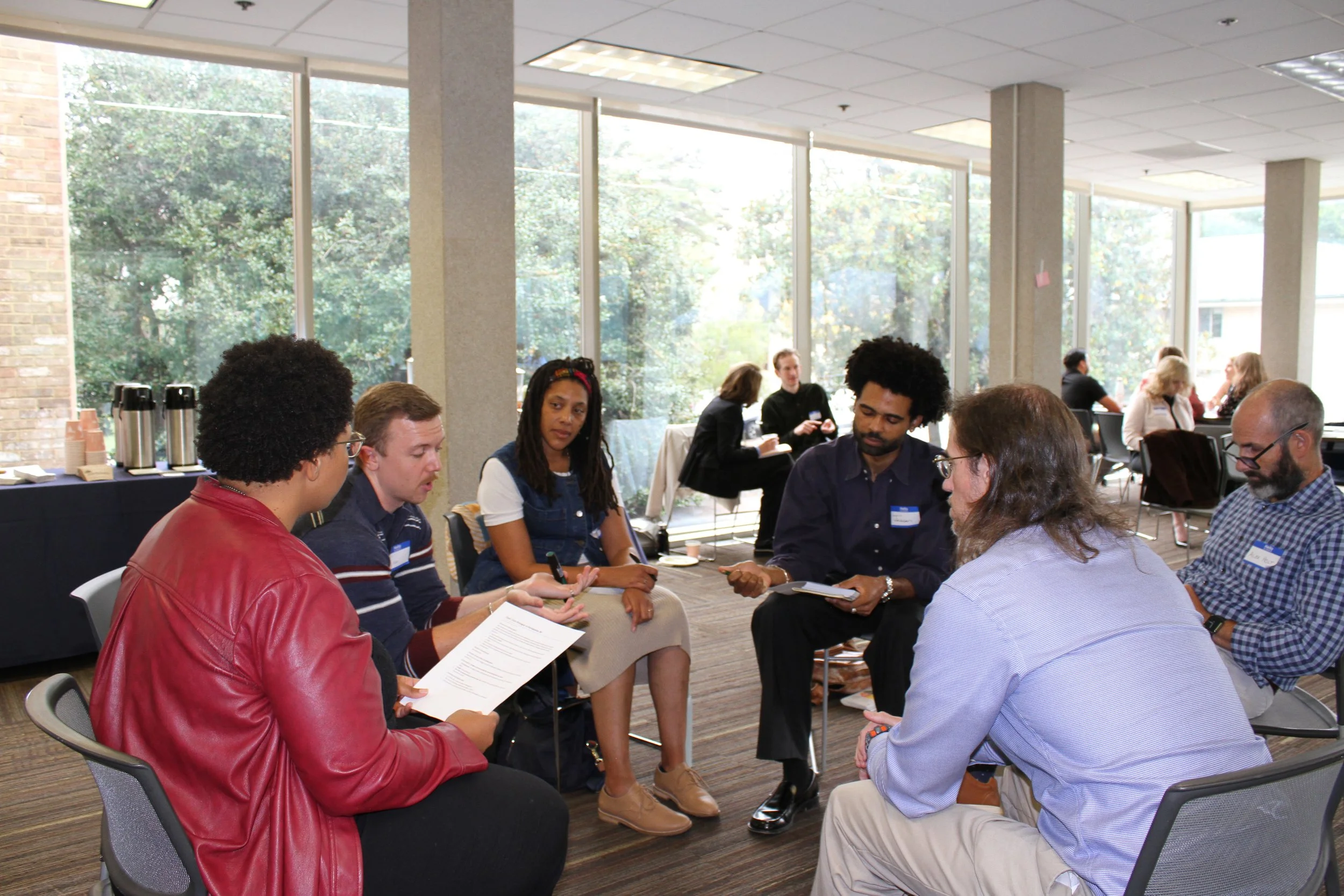
For people entering the deliberative democracy field, excitement for assemblies is palpable, but understanding the concept of an assembly and knowing how to deliver one are two different things.
Wendy Willis, Director of Oregon's Kitchen Table, attended the training as her organization prepared for a process exploring the community's role in decision-making around AI.
"There's a lot of people who have become really excited about Civic Assemblies and have a sort of theoretical concept of it. We shouldn't be designing things that we've never done. And so I think [training] is important for anybody who's part of this world.”
- Wendy Willis, Attendee from Oregon, USA
Good facilitation requires preparation, an understanding of group dynamics, the ability to respond to unexpected challenges and a clear sense of how each interaction contributes to the overall process. To build out this skillset is an investment in the infrastructure needed to address increasingly complex public challenges as our world continues to shift and modernize.
This was a central motivation for the AI Democracy Foundation’s decision to fund these trainings on both coasts.
"Our mission is to ensure we have democratic systems fit for a world with AI. We believe AI will transform the structures of power — and that deliberative processes may be critical to navigating that shift and maintaining effective checks and balances. We funded the training to support the upcoming deliberative processes in the US and to invest in the people who play key roles running, building and improving them.”
- Aviv Ovadya, CEO of AI Democracy Foundation
At both masterclasses, there appeared to be growing recognition among attendees that the ability of citizens to engage meaningfully with complex issues will become more important than ever as societies navigate this new era of technological change. The two masterclasses brought together practitioners from across North America, connected them with international expertise and gave them opportunities to develop the skills needed to support meaningful public deliberation.
The future of Citizens’ Assemblies can be bright, but it will depend on public trust, which in turns depends on the quality of the process, the final recommendations, and what comes out of them.
A representative group of citizens can achieve a great deal when given the right conditions. Skilled facilitators trained in how to lead Citizens' Assemblies help create those conditions.
What We Are Up To
Partnership with the Cambridge Civic Assembly
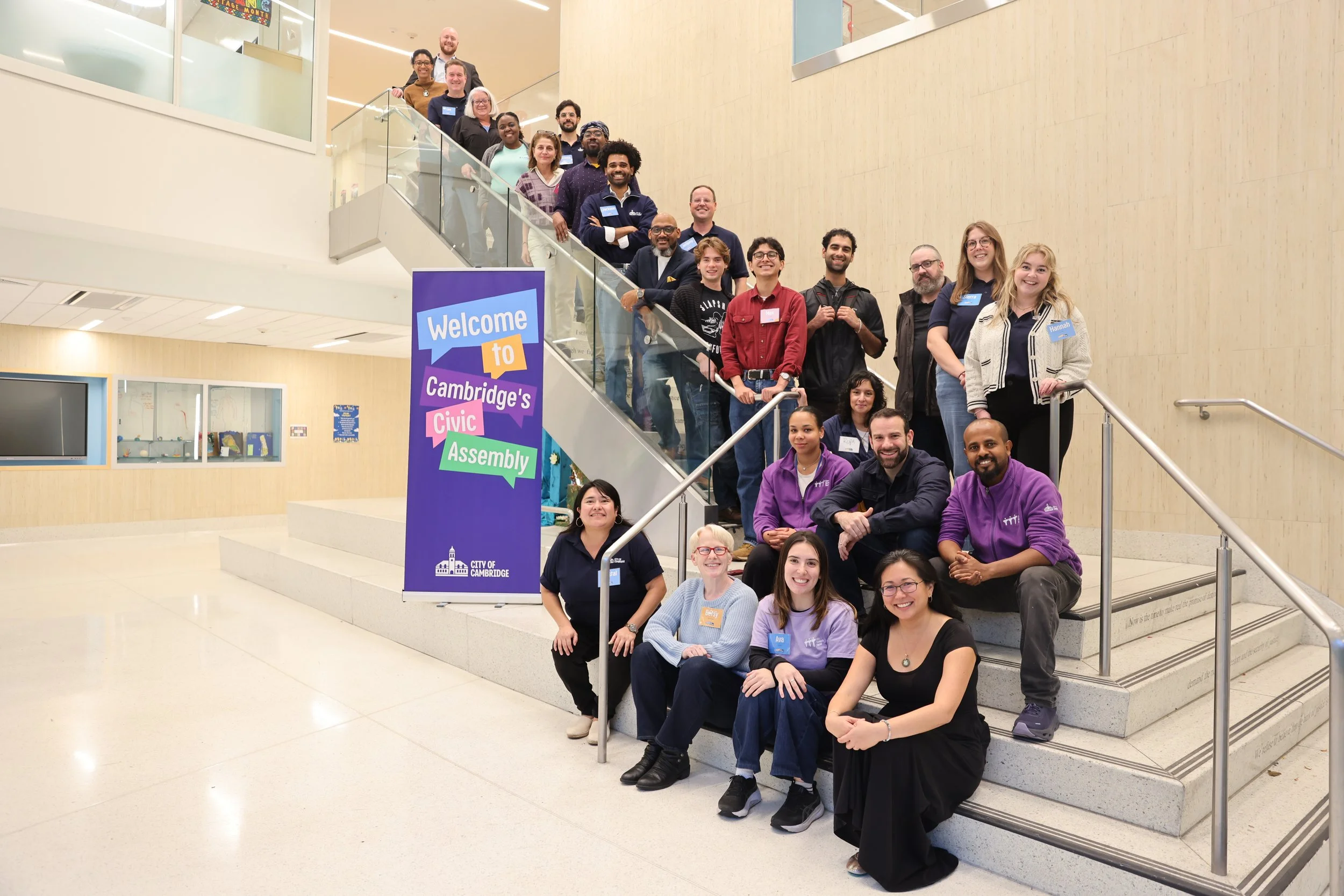
The Cambridge Civic Assembly is underway! On October 24th and November 7th, our team visited the City of Cambridge for the first two sessions of the process, bringing residents together to help inform important decisions about public safety and the use of surveillance technology in their community. We’re honored to be advising and supporting the Cambridge team, and can’t wait to see how the next two sessions unfold. Learn more about the assembly and follow along here.
Richmond Citizens’ Assembly School
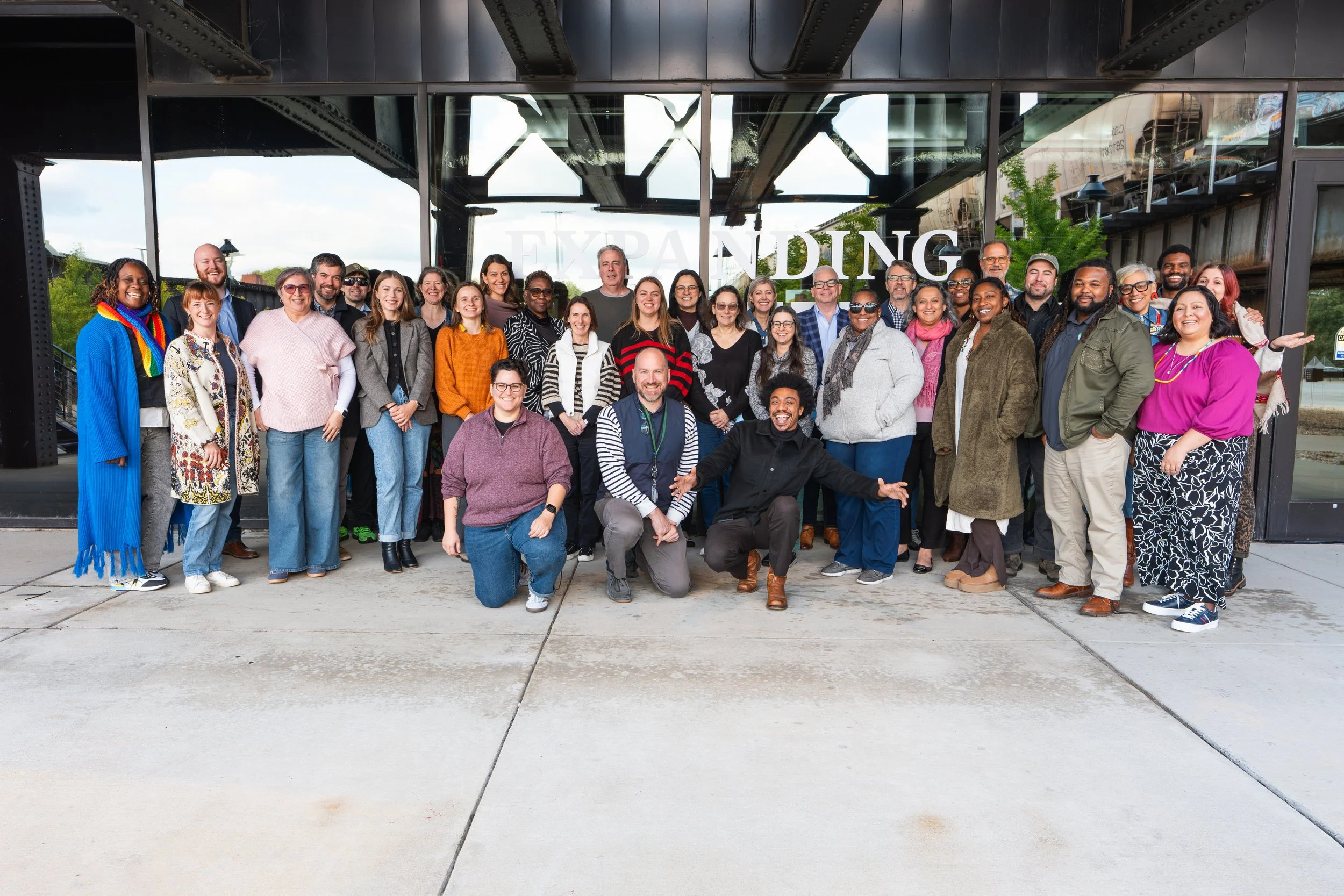
We partnered with the City of Richmond, VA, for an intensive two-day training on citizens’ assemblies during the last week of October. Bringing together leading experts and real-world case studies, the school explored how citizens’ assemblies work as a form of deliberative democracy, giving everyday people a meaningful role in tackling complex public challenges. Through workshops, discussion, and practical application, participants had the opportunity to dig into the process and explore how this approach can work in their own communities.
A big thank you to the City of Richmond for hosting us and to all our speakers and participants for making the school such a valuable opportunity for learning and exchange.
We are in ongoing discussions with cities around North America to build capacity for these processes - and would love to hear from more. Contact us if you are interested.
Want to learn about our other programs?
Our team is hard at work with some amazing projects, check out the latest case studies in our Learning Series and read about our Deliberative State Governance initiative below:
In the News
— Boston 25: Cambridge residents to weigh ShotSpotter, surveillance cameras during first civic assembly (Published October 24th, 2026)
— Cambridge Day: Cambridge civic assembly weighs ShotSpotter (Published October 27th, 2026)
— Town and Country: Andrew Shue Is Betting on America (Published October 27th, 2026)
— The Fulcrum: The Future of Our Democracy Is Being Built Close to Home. Will America Pay Attention? (Published November 3rd, 2026)
— United Nations: Democracy Beyond Elections: A Handbook on Citizens’ Assemblies (Published November, 2026)